
How Isogenic Organ-Chips Are Transforming The Future Of Neuroscience Research
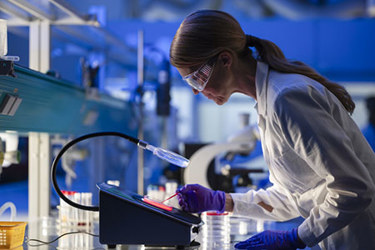
Decoding how therapeutics interact with the human brain remains a central challenge in neuroscience, shaped by the protective nature of the blood–brain barrier and the complexity of the neurovascular unit. Traditional model systems often fall short in capturing the interplay between neurons, glial cells, and vascular components that drive human-specific responses. Advances in microphysiological systems are beginning to close this gap by introducing greater cellular diversity, physiological structure, and dynamic signaling into in vitro research. Integrating multiple iPSC-derived cell types within a controlled microenvironment offers a path toward more reproducible and mechanistic insights into BBB transport, neuroinflammation, and neurovascular function. By addressing long-standing issues such as variability and endothelial identity, emerging approaches are setting a new foundation for more predictive CNS research.
Access the full application note to examine how these innovations are reshaping what’s possible.
Get unlimited access to:




Enter your credentials below to log in. Not yet a member of Bioprocess Online? Subscribe today.