
Exploring The Intriguing World Of Environmental DNA (eDNA)
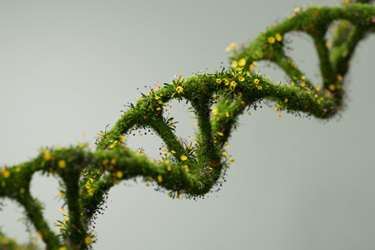
Environmental DNA, or eDNA, is transforming how researchers detect and monitor species in environments where traditional fieldwork falls short. Organisms naturally shed genetic material as they move—through skin cells, scales, hair, feces, or other biological traces—creating a molecular footprint that persists even after the organism is no longer present. By capturing and analyzing these trace amounts, biologists can uncover the presence of endangered species, track migration patterns, or detect pathogens moving through waterways with remarkable sensitivity. Advances in molecular detection and on‑site filtration have made it possible to work with the extremely diluted DNA found in natural environments, opening new opportunities for conservation, surveillance, and ecological insight.
Explore how these techniques are reshaping biodiversity monitoring and what they mean for the future of field biology.
Get unlimited access to:




Enter your credentials below to log in. Not yet a member of Bioprocess Online? Subscribe today.