
ADCs vs. AOCs: Shared Design Principles & Key Differences In Bioconjugate Engineering
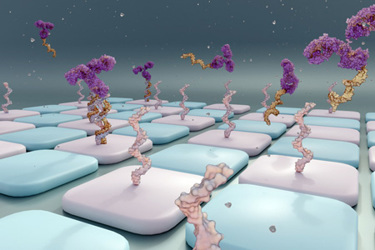
Translating the proven architecture of antibody-drug conjugates (ADCs) to antibody-oligonucleotide conjugates (AOCs) opens exciting therapeutic avenues, yet it introduces distinct bioconjugate engineering hurdles. While both platforms combine targeting antibodies, linkers, and active payloads, the physical properties of RNA and DNA payloads alter construct behavior.
Oligonucleotides introduce high molecular weights, secondary structures, and strong negative charges that fundamentally alter systemic clearance and stability profiles. As a result, maintaining optimal drug-to-antibody ratios becomes significantly more sensitive, where slight increases in payload loading can trigger rapid hepatic clearance. Mastering these bioconjugate dynamics demands specialized conjugation chemistries and tailored linker strategies to preserve systemic stability while enabling precise intracellular release.
Navigating payload-specific trade-offs early in development helps streamline clinical translation and safeguard candidate viability. Explore these critical bioconjugate engineering principles to inform your platform design.
Get unlimited access to:




Enter your credentials below to log in. Not yet a member of Bioprocess Online? Subscribe today.