
The Role Of Primary Packaging In At‑Home Drug Products
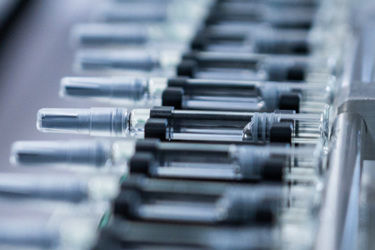
Primary packaging is essential to maintaining stability, usability, and overall success of biologic drug products, especially as more treatments move into home care and self‑administration. Choosing the right container requires balancing drug protection, ease of use, and alignment with the product’s intended profile. Key considerations include formulation type, route of administration, dosing volume, and storage needs, all of which influence material choices and functional performance.
Formulation has a major impact on packaging requirements. Lyophilized products need containers that can withstand freeze‑drying and protect against moisture, while frozen formulations demand materials that remain stable at ultra‑low temperatures. Administration route also shapes selection: intravenous delivery relies on vials and infusion systems, whereas subcutaneous use often requires packaging compatible with syringes, autoinjectors, or other patient‑friendly devices.
Thoughtful packaging decisions improve drug stability, patient adherence, and the transition from clinical development to commercial use. Early evaluation of container compatibility reduces risk and ensures biologics are safe and practical for homecare.
Get unlimited access to:




Enter your credentials below to log in. Not yet a member of Bioprocess Online? Subscribe today.