
The Next Leap In Skin-Based Drug Delivery: How Dermal Delivery Platforms Are Transforming Tomorrows For Patients
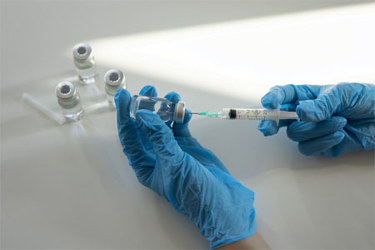
Skin-based drug delivery is moving from niche innovation to mainstream strategy as healthcare shifts toward at-home care and patient-preferred administration. Advances in transdermal systems and microneedle array patches (MAPs) are enabling developers to reduce reliance on injections while maintaining performance, consistency and scalability. Growing interest reflects both patient demand for convenience and system-level pressure to ease clinical burden, particularly for chronic conditions where adherence matters most.
As dermal technologies mature, success increasingly depends on connected development. Formulation science, device engineering and manufacturing can no longer progress in isolation. Early alignment helps teams make better technical decisions, manage biologic sensitivity and design platforms that meet regulatory and commercial requirements from the outset. MAPs, in particular, highlight the importance of co-development, offering customizable needle geometries, multiple delivery formats and the potential for room-temperature stability, while introducing new complexities in materials, processes and quality control.
With regulatory expectations becoming clearer and late-stage MAP programs setting important precedents, developers have an opportunity to build dermal products that are both patient-centric and globally scalable.
Read the full article to explore platform selection, manufacturing considerations and strategies for long-term success in dermal delivery.
Get unlimited access to:




Enter your credentials below to log in. Not yet a member of Bioprocess Online? Subscribe today.