|
|
|
|
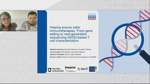
Developing safer and more effective T-cell therapies requires a better understanding of how engineered cells behave and function. In this webinar, experts from Nantes University and QIAGEN discuss strategies for modifying and characterizing therapeutic T cells, from gene editing and functional assessment to high-throughput gene expression analysis. The session also highlights automated RNA purification with QIAsprint Connect as part of the genomic workflow.
|
|
|
|
|
Cell therapy studies can quickly generate large sample numbers as drug developers compare candidates, conditions and biological responses. This article looks at the practical side of handling that scale. It follows a gene expression workflow from automated RNA extraction on QIAsprint Connect through RNA-seq and pathway analysis, with a focus on consistent sample preparation for lead selection and optimization.
|
|
|
|
|
What does gene expression reveal about checkpoint-edited T cells? In this collaborative study with Nantes University, researchers compare PD-1- and TIGIT-edited tumor-infiltrating lymphocytes across different experimental conditions. QIAsprint Connect is used for automated RNA purification, producing high-quality RNA and reproducible expression profiles for downstream RNA-seq analysis.
|
|
|
|
|
Which candidates are worth taking forward? Gene expression profiling helps answer this question early by showing how potential leads affect cellular pathways and phenotypes. This application note describes a miniaturized, semi-automated RNA-seq workflow for screening more candidates in parallel, with lower reagent use and less hands-on time.
|
|
|
|
|
|
|
When sample numbers grow, how can you keep nucleic acid purification consistent without adding more manual work? Explore how QIAsprint Connect automates magnetic particle-based purification for up to 96 samples per run, or up to 192 samples across two consecutive runs. Flexible protocols and walk-away processing help laboratories scale sample preparation while 21 CFR Part 11–ready features support workflows in regulated environments.
|
|
|