
Sterile PETG PharmaTainer™
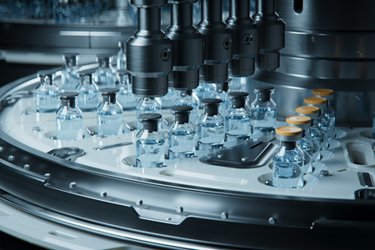
In biopharmaceutical manufacturing, the containers used to store, transport, and process critical fluids can have a direct impact on product quality, contamination control, and operational efficiency. As advanced therapies, biologics, and nucleic acid-based applications continue to grow, manufacturers are placing greater emphasis on container cleanliness, material characterization, and regulatory readiness.
Sterile PETG containers offer a ready-to-use solution designed to support demanding bioprocessing workflows from research and development through commercial manufacturing. High-clarity construction enables easy visual inspection, while low particulate and endotoxin profiles help reduce potential sources of contamination. Additional considerations such as RNase- and DNase-free certification, validated sterilization processes, freeze-thaw compatibility, and extensive regulatory documentation provide confidence for applications involving sensitive process fluids and valuable drug products.
Available in a range of formats and volumes, these containers support media and buffer preparation, reagent storage, sampling, fluid transfer, and frozen or liquid shipping applications. Explore how advances in container design and validation can help streamline implementation, strengthen contamination control strategies, and support consistent performance throughout the bioprocessing lifecycle.
Get unlimited access to:




Enter your credentials below to log in. Not yet a member of Bioprocess Online? Subscribe today.