
Spray Drying Solvent Selection: Looking Beyond Solubility And Process Performance
By Ken Sneider, Greenfield Global
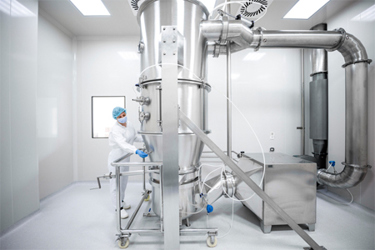
Choosing a solvent for a spray-dried dispersion (SDD) is a critical decision in drug formulation and manufacturing. Treating solvent selection as a secondary choice can lead to significant issues with product quality, regulatory approval, and supply chain management.
To select the right solvent, developers must use a structured four-step evaluation process that aligns with long-term goals. First, evaluate basic chemistry, matching the solvent to the active pharmaceutical ingredient, polymer system, solubility needs, and particle characteristics. Second, account for commercial manufacturability, including safety, residual solvent removal, and the rising costs of hazardous waste handling at larger scales. Third, ensure regulatory compliance by verifying that the solvent meets pharmacopeial standards through robust supplier quality documentation and audits. Finally, secure the long-term supply chain by choosing reliable suppliers with transparent sourcing, strong production capacity, and minimal intermediaries to avoid future qualification bottlenecks.
By taking a comprehensive, lifecycle-focused approach during the earliest design stages, developers reduce production costs, prevent operational delays, and support successful commercial scaling.
Get unlimited access to:




Enter your credentials below to log in. Not yet a member of Bioprocess Online? Subscribe today.