
Solving Glycoengineering Challenges Could Begin At The Cell Line
By Bjørn Voldborg, DTU Bioengineering
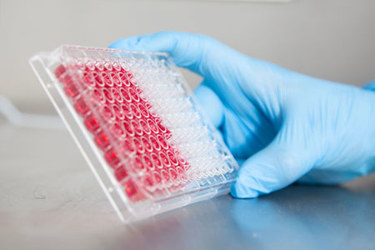
When a biopharmaceutical fails in the clinic, the conversation typically turns to sequence, dose, or formulation. Glycosylation rarely tops the list, yet the sugar structures attached to a therapeutic protein can be the difference between a drug that works and one that does not. Half-life, receptor binding, immunogenicity, and effector function are all glycan-dependent, and the glycoforms produced by a CHO cell line are rarely the glycoforms intended by nature.
This is the fundamental problem that glycoengineered CHO (geCHO) cells can address. Rather than treating glycosylation as an afterthought to be characterized at the end of development, geCHO cells allow researchers to systematically explore the glycan space of any glycoprotein early in discovery, even before a lead candidate is locked in and before resources are committed to a suboptimal molecule.
The technology matters to the broader bioprocessing community for a simple reason: most glycoproteins entering clinical trials are produced in CHO cells. The wild-type CHO glycome is a compromise — adequate for many applications, but rarely optimal. For plasma proteins, enzymes, vaccines, and novel formats where glycosylation is tightly linked to mechanism of action, the gap between what CHO makes and what the patient needs can be decisive. geCHO cells offer one way to potentially close that gap, and in doing so, present a new approach to candidate selection that places glycan biology at the center of the discovery pipeline.
The geCHO panel was developed within the DTU research environment as a tool for studying glycan-function relationships, and it illustrates the broader principle that glycoform selection can be made experimentally visible earlier in biologics development.
Moving The Glycosylation Question From Post-Translation To Expression
CHO cells became the workhorse of biopharmaceutical manufacturing in the 1980s primarily because of their capacity for complex N-glycosylation and their tolerance for large-scale culture. Over the following decades, the industry focused on improving titers, reducing host cell proteins, and optimizing fed-batch processes. The glycoforms produced, although broadly acceptable for monoclonal antibodies, were rarely optimized for other molecule classes.
At the same time, structural glycobiology was revealing that glycans are not passive decorations. The glycosylation state of a plasma protein can determine its circulatory half-life, and the fucosylation of an antibody Fc region modulates ADCC potency. In many cases, the glycans are a functional part of the drug, not a manufacturing by-product.
At the Novo Nordisk Foundation Center for Biosustainability (CfB) at DTU, we set out to build a resource that would make systematic glycan engineering accessible. Over the past decade, the CfB CHO engineering program has generated a library of CHO-S-based cell lines carrying defined knockouts and knockins of glycosyltransferases. The result is the geCHO panel: a collection of approximately 30 platform cell lines, each producing a distinct, well-characterized glycoprofile, covering the range from hyper-sialylated complex structures to truncated, afucosylated, or monoantennary forms.
The practical logic of geCHO is straightforward: before committing to a production cell line, express your protein of interest transiently across the panel, purify the resulting glycovariants, and measure the property you care about. The glycoform that performs best in that assay becomes the design target for the GMP production cell line. The approach compresses what has historically been a late-stage, often accidental discovery — "our process glycoform happens to be suboptimal" — into a deliberate early-stage decision.
Case Studies From The Lab Floor
Three case studies from the CfB CHO program illustrate how this plays out in practice.
Matching plasma-derived AAT glycosylation
Alpha-1-antitrypsin (AAT) is a plasma-derived protein used to treat AAT deficiency-related emphysema. Recombinant production in standard CHO cells yields a glycoprofile that diverges significantly from the plasma-derived material, with severe consequences for circulatory half-life. By screening the geCHO panel, we identified a cell line capable of producing AAT with a glycoprofile matching plasma-derived AAT. The recombinant material achieved 1.4 g/L in miniaturized fed-batch culture with minimal process optimization, was stable over 60 generations of culture, and demonstrated comparable in vivo half-life to the plasma-derived benchmark. This result was not possible with wild-type CHO; the right glycoform required an engineered host.

Mapping antithrombin activity across glycovariants Antithrombin (AT) provided a different kind of insight. AT was produced transiently across the geCHO panel and in wild-type CHO, purified, glycoprofiled, and tested for in vitro anticoagulant activity. The data was unambiguous: glycosylation substantially affects AT inhibitory activity. Less branching increased inhibition; removal of sialic acids increased inhibition; and introduction of alpha-2,6-linked sialic acids — typically absent from CHO-produced material — increased activity. In this study, almost every geCHO-produced variant outperformed the wild-type CHO material. Without the panel, this structure-activity landscape would have been invisible. A developer working only with standard CHO may miss glycoform-dependent potency differences.
Revealing vaccine relevant glycan effects in HCV sE2
The hepatitis C vaccine story adds a further dimension. The envelope protein sE2 is a key antigen for HCV vaccination, but its dense glycan shield overlaps with antigenic epitopes, potentially masking them from the immune system. We expressed sE2 transiently in 12 geCHO cell lines plus wild-type CHO and HEK293, purified the variants, and screened them against neutralizing antibodies from HCV-positive patients. Four geCHO variants with biantennary glycan structures showed enhanced binding to patient neutralizing antibodies compared to wild-type CHO material. Two variants, geCHO-2.1-producing monoantennary unsialylated glycans and geCHO-2.7-producing glycans similar to liver-secreted plasma proteins, were taken into immunization studies. Mice immunized with geCHO-2.1-produced sE2 generated antibodies with approximately sevenfold greater neutralization potency than mice immunized with wild-type CHO or HEK293 material and showed broader cross-genotype neutralization. Glycan engineering does not just refine the drug; it may enable a vaccine candidate that is otherwise not achievable.
Operationally, the workflow is rapid. Transient expression across a subset of the panel, purification by affinity or size-based methods, glycoprofiling by LC-MS, and an appropriate activity assay can be completed within three to six weeks. Once a target glycoform is identified, the panel cell line can be used to generate stable pools expressing the protein of interest, followed by clonal selection and formal cell line development. The same engineering principles may also inform future development of specialized host cell lines when a defined glycoprofile is required.
Practical And Biological Limits
The geCHO approach is not without limitations. The panel is built on a CHO-S background, and it does not replicate the full complexity of human tissue-specific glycosylation. Some glycoforms present in native proteins, like certain O-glycan structures, are not represented in the geCHO panel.
Screening across the panel requires sufficient protein production from each cell line. Some targets might express poorly in certain glycoengineered backgrounds, reducing the number of variants available for comparison. Transient expression titers in highly modified cell lines can be lower than in wild-type CHO, which occasionally limits the material available for downstream assays.
There is also the question of which activity assays to use during screening. The platform is only as informative as the assay applied to it. For molecules where the relationship between glycan structure and function is poorly understood, identifying the right functional readout and validating that it predicts in vivo behavior requires careful experimental design. Finally, regulatory agencies have increasing expectations around glycan characterization and comparability. Early glycoform selection decisions made using the panel need to be documented in a way that supports the eventual regulatory package.
Conclusion
The biopharmaceutical industry has spent four decades optimizing what happens after a molecule enters a CHO cell: the titers, the process, the purification. geCHO technology shifts the question to what happens before that: which glycoform should we be making in the first place?
Answering that question early has measurable consequences. As the AAT, antithrombin, and HCV vaccine examples demonstrate, the glycoform selected during discovery can determine half-life, potency, and immunogenicity in ways that cannot be recovered downstream. A developer who screens glycovariants in a three- to six-week experiment at the start of a development program is making a fundamentally different bet than one who characterizes glycosylation after a lead candidate has been selected and a process locked.
A panel of well-characterized glycoengineered CHO cell lines, combined with rapid transient expression and modern glycoprofiling, makes systematic glycan-driven candidate selection practical at the scale of an academic laboratory or a small biotech. For the field more broadly, embedding glycan biology into early discovery, rather than treating it as a late-stage analytical obligation, may be one of the more productive shifts available to developers working on complex glycoprotein therapeutics.
About The Author:
 Bjørn Voldborg is head of the National Biologics Facility and senior researcher at DTU Bioengineering, Technical University of Denmark, where he leads efforts in CHO cell line engineering, glycoengineering, and recombinant protein production. His work spans the development of engineered CHO host cell lines, including the geCHO platform, and their application to biologics manufacturing and drug candidate selection. He can be reached at bgrv@dtu.dk.