
Reducing The Bioburden Load In Downstream Bio Pharmaceutical Processes
By Critical Process Filtration
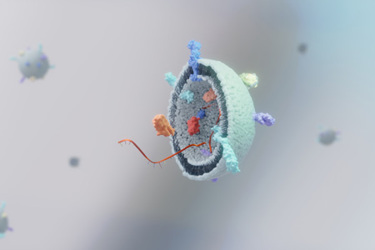
Controlling bioburden in downstream biopharmaceutical processes is essential for maintaining product quality and protecting critical filtration steps. While sterilizing filters serve as the final safeguard, their effectiveness depends heavily on upstream filtration working efficiently to reduce microbial load. Without proper prefiltration, excess microorganisms — introduced through process streams, materials, or the production environment — can foul sterilizing filters, disrupt batch operations, and increase costs.
A well-designed filtration strategy targets contaminants at multiple stages, removing larger organisms such as molds and yeasts with depth filters, followed by membrane filtration to reduce bacterial levels. Selecting the right filter media and pore size — based on organism size, concentration, and product sensitivity — is key to balancing performance and yield.
When implementing a layered approach to bioburden reduction, manufacturers can improve process reliability, extend filter life, and maintain consistent product integrity. Examine the full asset to better understand how to optimize filtration across downstream operations.
Get unlimited access to:




Enter your credentials below to log in. Not yet a member of Bioprocess Online? Subscribe today.