
Preventive Control Of Sequencing Through The Insert With The Agilent 5200 Fragment Analyzer System
By Vera Rykalina and Kyle Luttgeharm, Agilent Technologies
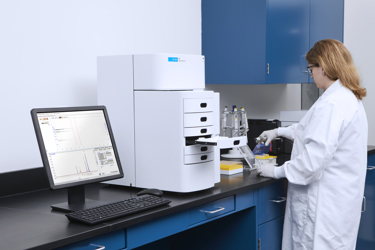
Choosing the right read length is essential for high‑quality next‑generation sequencing, especially when library fragments vary widely in size. Find out how electrophoretic QC and smear analysis can be used to anticipate and prevent sequencing through the insert, a common issue that introduces adapter sequence into reads and increases downstream noise. Through practical examples, see how analyzing library size distributions helps users estimate the fraction of fragments that may read into adapters under different run lengths. The guidance provides a clear framework for aligning library characteristics with instrument run settings, helping scientists avoid wasted reagents, noisy data, and low‑quality base calls.
Explore the full application note to see how smear analysis supports confident decision‑making in NGS workflows.
Get unlimited access to:




Enter your credentials below to log in. Not yet a member of Bioprocess Online? Subscribe today.