
Article | July 15, 2026

Platform Strategy For Improving Manufacturability And Efficacy In Bispecific Antibodies

By Wooseok Yang, PhD, Director of Platform Technology Evaluation; Kihong Kim, Director of Ab Platform Discovery, Samsung Biologics
Reference_image_1

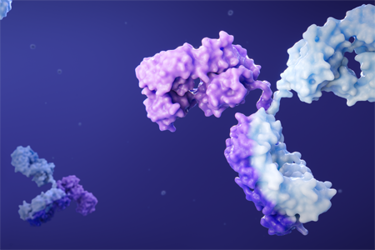
Bispecific antibodies (bsAbs) are one of the most promising innovations in biologic drug development, offering opportunities to address complex disease mechanisms where the effectiveness of conventional therapies has been limited. Traditional monoclonal antibodies recognize a single antigen; bsAbs bind two distinct targets simultaneously. This dual-targeting capability enables novel therapeutic approaches by coordinating pathway inhibition, recruiting immune cells, and mitigating treatment resistance.

Interest in bsAbs is particularly strong in oncology, where tumor heterogeneity, adaptive resistance, and immune evasion challenge existing treatments. By engaging multiple biological pathways at once, bsAbs enhance antitumor immune responses and broaden the range of targetable disease phenotypes, creating opportunities for more effective and durable clinical responses. The flexibility of bsAbs can be leveraged to support the industry’s growing focus on precision medicine and biomarker-driven treatment strategies.

Despite their promise, bsAbs pose significant development and manufacturing challenges. Successful programs must balance sophisticated molecular engineering with scalable manufacturing approaches, robust formulation strategies, and efficient purification processes. As a result, investments in bsAbs have accelerated in recent years. At the same time, there is growing interest in multispecific antibodies and next-generation antibody designs. Collectively, these modalities are reshaping the therapeutic landscape and driving a new wave of innovation focused on improving efficacy, expanding patient access, and delivering personalized treatment options.

Core bsAb Manufacturability and Developability Challenges

Despite their therapeutic promise, bsAbs present significantly greater manufacturing and developability challenges than conventional monoclonal antibodies. Because bsAbs require coordinated assembly of multiple polypeptide chains, production must ensure correct heavy chain–heavy chain (HC-HC) and heavy chain–light chain (HC-LC) pairing while minimizing unwanted molecular species. Developers must also preserve critical quality attributes (CQAs), such as target-binding affinity, molecular stability, pharmacokinetics, and therapeutic efficacy. Even minor assembly errors can generate heterogeneous product populations with physicochemical properties that closely resemble the desired bsAb, making detection and removal difficult during downstream processing.

Chain mispairing introduces development risks, including reduced yields, increased purification complexity, and challenges in maintaining consistent product quality. Balancing manufacturability with CQAs remains a central challenge in bsAb development.

To address these obstacles, next-generation engineering platforms are focusing on the molecular design stage to improve assembly fidelity. The S-DUAL® platform uses a differentiated asymmetric antibody architecture and an S-KiH (knob-into-hole) Fc engineering strategy to promote selective heterodimer formation and reduce chain mispairing (Figure 1). By ensuring correct upstream chain assembly, the platform simplifies downstream purification, increases product purity, and enhances manufacturing robustness.

Figure 1. The S-DUAL® bsAb structure incorporates an additional CH3 domain (A) and S-KiH technology (B) to maximize HC-LC pairing.

A key feature of the S-DUAL® approach is that it preserves native antigen-binding regions without requiring engineering of the complementarity-determining regions (CDRs). This retains parental antibody binding while enabling modular adaptation across target combinations. The platform supports scalability from early discovery through manufacturing, enabling drug developers to assess therapeutic performance and developability in a unified workflow.

As the industry expands beyond conventional monoclonal antibodies toward multispecific formats, success will depend on therapeutic efficacy and manufacturability. The S-DUAL® platform meets both needs by integrating developability considerations directly into the molecular design.

Platform Design and Biophysical Characterization of S-DUAL®

During molecular assembly, competing chain-pairing interactions can generate heterogeneous product populations. Heterogeneity reduces yield, complicates purification, and introduces development risks. As a result, bsAb engineering has increasingly focused on designing molecules that favor correct assembly at the outset rather than relying on downstream purification to remove undesirable variants.

The S-DUAL® platform operates on this principle. Its asymmetric antibody architecture promotes preferential pairing between intended chains while reducing incorrect HC-LC associations. By biasing assembly toward the desired configuration, the platform improves product homogeneity at the earliest stages of molecule formation. This design directly mitigates the persistent challenge of mispaired species, which are difficult to separate using conventional methods.

This architecture is complemented by the S-KiH engineering strategy, which enhances heavy-chain heterodimerization through Fc-region engineering. Traditional knob-into-hole approaches promote heterodimer formation, but Fc engineering alone does not fully eliminate mispairing elsewhere in the molecule. The S-KiH approach strengthens heterodimer specificity within a broader design framework, minimizing mispairing across multiple assembly pathways simultaneously. Biophysical characterization of S-DUAL® demonstrated high purity, strong expression yields, and favorable stability. Importantly, these developability improvements do not compromise biological function. Functional studies have demonstrated that target binding, signaling inhibition, and antitumor activity are comparable to or exceed those of reference antibodies.

From a development perspective, improved assembly at the design stage reduces downstream purification burden, simplifies analytics, and enhances manufacturing consistency. As bsAb formats grow more complex, integrated platforms that combine assembly control with developability considerations will play an important role in scalable therapeutic development.

The S-DUAL® platform’s central objective is to improve molecular assembly fidelity without introducing new manufacturing constraints. To evaluate whether this translates into developability advantages, the team produced bsAbs via a single-cell expression workflow and performed analytical, stability, and functional characterization. These assessments evaluated expression performance, product quality, and whether structural modifications affected biological activity.

Purity and expression performance were evaluated after production and purification. Size exclusion chromatography-high performance liquid chromatography (SEC-HPLC) analysis demonstrated a highly homogeneous product profile, with purity exceeding 99% and minimal aggregation. This result is notable for bsAbs, where mispaired species can closely resemble the target and require extensive downstream processing. Reducing these variants at the design stage helps simplify purification and improve manufacturing efficiency.

Figure 2. S-DUAL® shows high purity and high yield.

Molecular stability was assessed using differential scanning calorimetry. Thermal stability was strong and conformational integrity was preserved under conditions that typically promote aggregation. Stability was further confirmed by human serum incubation. S-DUAL® molecules retained dual-binding activity with minimal functional loss, indicating durability in biologically relevant environments. Target binding was then evaluated in HER2-expressing BT-474 and MCF-7 cell models. S-DUAL® demonstrated binding profiles comparable to those of reference bsAbs, confirming that Fc and structural engineering did not impair antigen recognition or engagement (Figure 3).

Figure 3. S‑DUAL® exhibits cell‑binding affinity comparable to reference antibodies.

Overall, these findings support the principle that manufacturability and biological performance must be optimized together. The S-DUAL® platform shows that assembly fidelity, purity, and yield can be improved without compromising function. Therefore, early molecular design choices can significantly influence the feasibility of scalable manufacturing.

Functional Validation of the S-DUAL® Platform In Vitro

Demonstrating favorable developability is only part of the challenge in bsAb development. Any engineering strategy intended to improve manufacturability must ultimately be evaluated in the context of biological performance. For S-DUAL®, the team needed to determine whether molecular modifications—used to enhance assembly fidelity, purity, and stability—would diminish functional activity against relevant tumor-associated targets.

To investigate functional activity, the team conducted signaling studies in HER2-expressing cell models. Western blot analyses examined key proteins associated with HER2-mediated signaling, including HER2 itself and downstream effectors within the AKT and ERK pathways. Following treatment with S-DUAL® antibodies, phosphorylation levels dropped across these signaling components relative to control conditions. The results indicate effective modulation of signaling pathways associated with tumor growth and survival, showing that the engineered bispecific format can engage its intended targets and influence downstream cellular responses.

Importantly, pathway modulation was unaffected by the structural and Fc engineering modifications introduced to improve developability. This finding reinforces a central objective of the platform design strategy: to enhance manufacturability without compromising biological performance. The data suggest that, rather than introducing a trade-off between engineering and function, careful molecular design enables both objectives to be pursued concurrently.

To further examine the biological consequences of these signaling changes, the team performed dose-dependent proliferation assays across multiple HER2-positive cancer cell lines. Following treatment with S-DUAL® antibodies, NCI-N87 gastric cancer cells as well as BT-474 and SK-BR-3 breast cancer cells showed significantly inhibited proliferation. Activity was maintained across diverse model systems, indicating that the observed effects were not limited to a single cell line (Figure 4).

Figure 4. S‑DUAL® induces dose-dependent inhibition of cell proliferation.

Comparative analyses against reference antibodies provided additional context for evaluating performance. Across the tested cell lines, S-DUAL® demonstrated antiproliferative activity comparable to or greater than that of benchmark molecules. The strongest responses were observed in models with elevated HER2 expression, where treatment significantly reduced cell growth over the evaluated concentration range. These findings suggest that the platform’s engineering modifications do not compromise therapeutic function and may support robust activity across a range of HER2-driven tumor environments.

Additional assessments of proliferation-associated biomarkers supported these observations. Analysis of Ki-67 expression, a proxy for cancer cell growth, revealed substantial reductions following treatment, consistent with the antiproliferative effects observed in cell-based assays. Together, the signaling and proliferation data provide complementary evidence that the platform maintains biologically relevant activity at both the molecular and cellular levels.

Viewed collectively, the in vitro findings establish an important link between developability and function. The high purity, strong expression characteristics, and favorable stability profile shown in earlier characterization studies did not come at the expense of biological performance. Instead, the data indicate that molecules generated using S-DUAL® retain the signaling and growth-inhibitory activities expected of therapeutically relevant bsAbs. These findings have implications for future development programs, as assembly fidelity and manufacturability can be optimized while preserving the functional attributes needed for clinical success.

In Vivo Efficacy and Translational Implications

While in vitro studies provide important insights into target engagement and cellular activity, in vivo evaluation remains critical in assessing the therapeutic potential of novel bsAb platforms. The tumor microenvironment as well as pharmacokinetic and pharmacodynamic factors can substantially influence outcomes beyond what is captured in cell-based assays. The team sought to determine whether the favorable developability and functional characteristics observed for S-DUAL® translated into antitumor activity. To this end, they conducted efficacy studies in HER2-positive cell-derived xenograft (CDX) models.

Tumor-bearing animals were assigned to treatment groups, including S-DUAL® candidates, comparator antibodies, and controls. Efficacy was assessed by longitudinal tumor growth measurements, with tumor growth inhibition (TGI) as the primary endpoint. Across models, S-DUAL® treatment resulted in substantial suppression of tumor growth relative to controls. Reductions in tumor volume were sustained throughout the study in both NCI-N87 gastric cancer and BT-474 breast cancer xenografts, supporting in vitro findings.

S-DUAL® demonstrated antitumor activity comparable, or in some cases superior, to that of reference antibodies (Figure 5). A dose-response analysis showed TGI across multiple dosing levels, with meaningful TGI even at lower doses. In some cases, responses to low-dose S-DUAL® matched those of the higher-dose reference antibodies, suggesting efficient in vivo target engagement. While further investigation is needed, these findings suggest that the platform’s molecular architecture may contribute to sustained biological activity. From a development perspective, dose efficiency may improve clinical flexibility, support optimized dosing strategies, and enhance the therapeutic index. This can in turn reduce drug substance demand—lowering the quantity of material required per dose—and increase manufacturing efficiency.

Figure 5. S-DUAL® demonstrates superior in vivo antitumor efficacy in CDX models of NCI‑N87 and BT‑474.

Conclusion

BsAb development requires more than therapeutic innovation; it calls for solutions to manufacturability challenges that arise from complex molecular architectures. The S-DUAL® platform addresses this through an integrated engineering strategy that improves both HC-HC and HC-LC assembly fidelity. The result is high product purity, robust expression yields, favorable stability, and compatibility with scalable production workflows.

These developability gains did not compromise biological performance. S-DUAL® antibodies maintained target-binding activity, inhibited HER2-associated signaling pathways, and produced meaningful antiproliferative effects across multiple HER2-positive cell models. Collectively, these results highlight the value of integrating developability and functionality within a single antibody engineering framework. As bispecific and multispecific formats continue to evolve, platforms that generate highly manufacturable molecules while preserving therapeutic performance will streamline development timelines and advance next-generation targeted therapies.

Biography

Wooseok Yang, PhD, is a biologist with over 10 years of research experience in oncology and immunotherapy. He leads the Platform Technology Evaluation group at Samsung Biologics, where he oversees the assessment and advancement of antibody-based platform technologies, bridging cutting-edge immunology and oncology research with strategic solutions for therapeutic development. Before joining Samsung Biologics, he was a researcher at the MOGAM Institute for Biomedical Research, where he contributed to the development of bsAbs and CAR-T cell therapies. He earned his PhD in immunology from Sungkyunkwan University.

Kihong Kim is the lead scientist and associate director of the Antibody Technology Discovery group at Samsung Biologics’ Bio R&D Center. He joined the company in 2024, bringing over 14 years of experience in biopharmaceutical development, with a particular focus on advancing biologics from discovery through to the preclinical stage. Throughout his career, he has gained deep expertise in areas such as antibody design and engineering to enhance efficacy, pharmacokinetics, and the purity of bsAbs; fusion proteins; antibody-drug conjugates; and antibody platforms, including technologies that penetrate the blood-brain barrier. At Samsung Biologics, he has made notable contributions to various antibody discovery platforms, including the development of S-KiH and S-DUAL®.



