
PDA TR33 And The Case For Rapid Methods In H₂O₂ Bio-Decontamination
By Kate Marshall, Protak Scientific
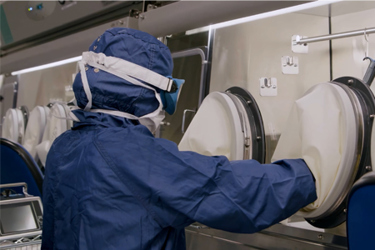
The 2026 revision of PDA Technical Report No. 33 (TR33) provides an updated industry framework for evaluating and implementing rapid microbiological methods (RMMs), bridging a regulatory guidance gap in USP 1225. Traditional bio-decontamination validation relies on incubating microorganisms for several days, whereas alternative methods like biofluorescence and bioluminescence deliver rapid, quantitative results that save time and reduce costs.
TR33 introduces a defensible pathway for qualifying enzyme indicators (EIs) based on adenylate kinase detection alongside established biological indicators (BIs). EIs reduce biological variability, eliminate live organism contamination risks, and deliver data within minutes. Real-world studies show over 99 percent alignment between EI and BI outcomes across thousands of data points. By placing EIs alongside BIs during initial qualification, organizations can build a robust correlation dataset. Once comparability is demonstrated, companies can lower reliance on routine BI testing and adopt EIs as primary measurement tools, significantly streamlining bio-decontamination validation while satisfying regulatory expectations.
Get unlimited access to:


Enter your credentials below to log in. Not yet a member of Bioprocess Online? Subscribe today.