
Next-Generation Enzymes For Targeted Gene Insertion
By David Wiley, Director, Nucleic Acid Technology
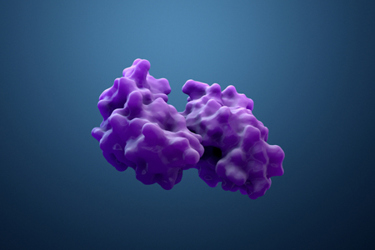
Targeted large gene insertion represents a transformative frontier in genomic medicine, enabling the replacement or addition of full-length functional genes without relies on standard double-stranded DNA breaks. Identifying and refining novel enzymes—specifically Large Serine Recombinases (LSRs) and retrotransposases—provides a flexible framework to overcome the size and site limits of traditional editing tools. By leveraging extensive bioinformatic databases alongside AI-assisted selection, researchers can mine over 100 active, highly efficient recombinases that perform reliably in human primary T cells and mammalian models. Integrating active learning and generative AI further enhances these tools, allowing teams to systematically engineer enzymes for bespoke, locus-specific targeting with superior yield and safety profiles.
Review the presentation slides to discover how advanced enzyme engineering expands therapeutic possibilities for complex genetic diseases.
Get unlimited access to:




Enter your credentials below to log in. Not yet a member of Bioprocess Online? Subscribe today.