
New Robot-Compatible Sterile Connectors Enhance Cell Therapy Manufacturing
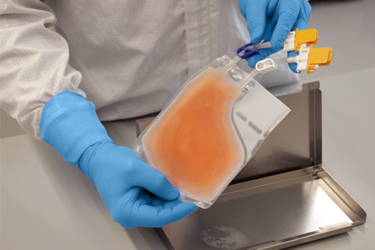
CPC Biotech has collaborated with Multiply Labs to rapidly advance the use of robotic systems in cell therapy manufacturing.
“Automation and the use of robotics are key in getting advanced therapies to patients more quickly,” said Troy Ostreng, senior product manager for CPC Biotech’s biopharmaceutical and cell and gene therapy (CGT) businesses. “To meet the growing needs for faster, more efficient, high-quality cell therapy manufacturing, we’re developing a first-ever aseptic connector designed for robotic operation,” he added.
San Francisco-based Multiply Labs is a pioneer in applying robotics in the production of cell and gene therapy products. Their unique modular approach is designed to reduce manufacturing bottlenecks, minimize the risks of human contamination, and broaden access to therapies.
“Today, cell therapy is done completely manually,” said Fred Parietti, Multiply Lab’s co-founder and CEO. “With robotic processes, we can unlock a level of scale and affordability that has not been possible before with manual approaches.” A study comparing traditional manual cell therapy to a robotic process found a cost reduction of more than 70%.
Human operators—a frequent source of contaminants in processing—do not enter Multiply Lab’s self-contained sterile processing robotic system, so the components within must be effectively managed by robots. CPC Biotech’s new robot-optimized solution combines the company’s groundbreaking MicroCNX® Nano Series aseptic connectors with a proprietary interface for handling the robotic grippers.
“Robots still have difficulty handling soft material like bags or tubing,” said Ostreng. “A rigid connector at the end of tubing is something robotic grippers can operate in a stable, repeatable way. This new connector will help make robotics-based cell therapy automation possible.”
Both CPC Biotech and Multiply Labs share interests and capabilities in maximizing production capacity in a compact footprint. “It’s important for us to fit easily on the production floor,” said Parietti. The companies also focus on ease of use, reliability, modularity, and scalability.
“Reliability, repeatability, and simplification are among the factors that will help cell therapy manufacturers adopt an automated approach with confidence,” said Ostreng. “In the end, we’re all working to get therapies to the people who need them more quickly, affordably, and efficiently.”
Get unlimited access to:




Enter your credentials below to log in. Not yet a member of Bioprocess Online? Subscribe today.