|
|
|
|
NAMs are transforming toxicology with human-relevant, non-animal approaches. Learn what defines a NAM, how these methods work together, and why adoption is rapidly accelerating.
|
|
|
|
|
Recent liver safety concerns highlight the limits of conventional preclinical testing. Human-relevant models could help researchers detect drug-induced liver injury earlier and reduce costly setbacks.
|
|
|
|
|
An evaluation of 150 drug candidates causing adverse events in humans revealed testing in rats and dogs predicted only 71% of toxicities in humans. Discover a solution to this translational challenge.
|
|
|
|
|
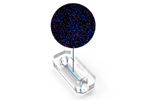
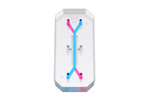
Gain insight into how the Emulate Liver-Chip S1 revolutionizes predictive toxicology by mimicking human liver biology, achieving superior sensitivity and specificity.
|
|
|
|
|
|
|
Explore how human-relevant liver models can improve DILI risk assessment and support stronger development decisions while advancing toward regulatory qualification and scaling into automated studies.
|
|
|
|
|
|
|
|
|
|
|
As regulatory momentum continues growing to reduce the use of animal models and adopt more human-relevant approaches, Emulate’s Organ-on-a-Chip technology can help researchers generate translational insights earlier in the R&D process and expedite their IND submissions. From toxicology and safety testing to biologics development, neuroscience, cancer biology, and personalized medicine, Emulate’s Organ-Chip platforms support more predictive and human-centric approaches to drug development and disease modeling.
|
|
|