
Methods For MSC Concentration And Buffer Exchange
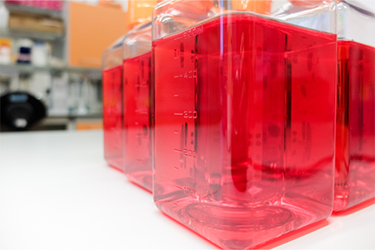
In the biomanufacturing of mesenchymal stem/stromal cells (MSCs), processes like cell concentration and buffer exchange are critical for the safety and efficacy of the final therapeutic product. These techniques are used at multiple stages, including post-thaw, during passages, and prior to final formulation, ensuring the removal of undesired components like DMSO and the replacement of media with inert buffers.
Cell concentration reduces the volume of the cell suspension, while buffer exchange replaces the liquid matrix entirely. When selecting a method for these procedures, developers must weigh factors such as volume range, cell viability, processing time, and system closure.
Traditional centrifugation is simple but limited to smaller volumes and open systems. Filtration-based methods like TFF and ATF offer greater automation and handle larger batches in a closed system, but may face challenges with filter fouling. Finally, elutriation-based methods provide high precision in cell selection but are often limited in throughput. The ideal choice requires a careful balance of performance, cost, and the specific characteristics of the MSC batch. Learn more about these methods and their trade-offs to optimize your cell therapy production process.
Get unlimited access to:




Enter your credentials below to log in. Not yet a member of Bioprocess Online? Subscribe today.