
Advancing Engineered Allogeneic Mesenchymal Stem Cell (MSC) Therapies
By Ho Yoon Khei, Jun Yung Woo, and Khang Luu
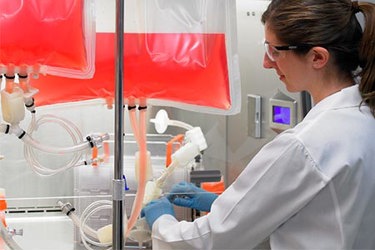
Advancing engineered allogeneic mesenchymal stem cell (MSC) therapies from the laboratory to clinical use requires overcoming a significant hurdle: producing cells at a scale that meets patient demand without compromising safety or efficacy. While open-system setups often suffice for early trials, they introduce higher contamination risks and labor demands that can impede commercial scalability. Transitioning to functionally closed systems provides a more integrated solution for manufacturing non-virally engineered cells, often referred to as "MSC 2.0".
By utilizing gas-permeable technology within a compact footprint, it is possible to achieve a 100-fold expansion—producing hundreds of millions of cells in just eight days. Data confirms that these expanded cells maintain robust transgene expression and potent anti-cancer properties, effectively reducing the proliferation of drug-resistant glioblastoma cells in cytotoxicity assays. Review this application note to discover how to optimize yield and maintain phenotypic consistency in your therapeutic workflow.
Get unlimited access to:




Enter your credentials below to log in. Not yet a member of Bioprocess Online? Subscribe today.