
Leveraging Conventional Therapeutics Skills For Cell And Gene Therapy
By Geethashri Ananda, Ph.D., University of Pittsburgh
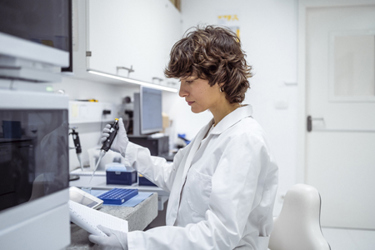
Cell and gene therapy (CGT) has evolved from a purely experimental field into one rapidly advancing toward large-scale manufacturing and commercialization, with dozens of products already receiving regulatory approval. This transition introduces a new set of challenges that extend beyond the digitalization of manufacturing, analytical, and quality management systems. As the industry scales, ensuring the safety, authenticity, and traceability of CGT products becomes increasingly complex.
However, developing a specialized workforce capable of managing highly sophisticated manufacturing processes while consistently maintaining rigorous quality standards presents a significant hurdle.1 To address this, the CGT industry can draw upon expertise from adjacent sectors, including medicinal plant-derived biotherapeutics, and established biologics platforms, such as mAbs and peptides. These fields offer valuable insights into manufacturing control strategies, quality systems, and workforce development that could help meet the growing demands of CGT production.
Although each platform relies on distinct technologies, they share a fundamental objective: translating complex biological systems into reproducible, safe, and efficacious therapeutic products. One of the most fundamental and broadly transferable challenges across these therapeutic modalities is the isolation of the true therapeutic “active substance” from highly complex biological matrices. This common challenge provides a natural and practical starting point for examining how skills and expertise can be transferred into CGT workforce development.
Isolating The Active Substance From Complex Biological Noise
Across therapeutic platforms, the challenge of isolating the true active substance from complex biological backgrounds is a defining feature of manufacturing. Medicinal plant biotherapeutics are derived from crude extracts containing hundreds of chemically diverse components, while biologics such as monoclonal antibodies are produced in host cell systems that generate a wide array of host cell proteins (HCPs), DNA, lipids and secretory byproducts. Similarly, CGT viral vectors (including AAV and lentivirus) are generated in biologically active production systems and must be separated from cellular debris and process-related impurities.
Plant extracts are inherently chemically complex and biologically variable, and drug discovery scientists often spend years mastering bio-guided fractionation strategies to remove hundreds of interfering compounds while preserving the stability and functionality of the active components.2,3 An analogous challenge exists in mAb manufacturing, where clinically viable antibodies must be isolated from complex mixtures of cellular macromolecules while systematically eliminating biologically irrelevant or potentially harmful materials.4,5 In CGT manufacturing, viral vector preparations are similarly accompanied by HCPs, nucleic acids, empty or partially filled capsids and, in some cases, replication-competent particles. Even non-viral vectors, despite simpler production or chemical synthesis routes, require rigorous purification to remove process-related contaminants such as residual solvents, unencapsulated cargo, or raw material impurities.6,7
As a result, downstream purification across all three platforms becomes an exercise in selectively enriching the functional therapeutic entity while maintaining its structural integrity and biological activity, whether that activity is pharmacological, binding-mediated, or transduction-based. This shared challenge closely parallels the experience of plant biotherapeutics and biologics scientists, who routinely work to isolate pure therapeutic compounds from extensive biological “noise.”
In plant extract-based therapeutics, analytical and preparative techniques such as high-performance liquid chromatography (HPLC) — including reversed-phase (RP-HPLC) for hydrophobic partitioning and size-exclusion chromatography (SEC) for molecular weight-based separation — are routinely employed to link bioactivity to specific fractions. These same chromatographic principles underpin mAb purification, where affinity capture, ion-exchange chromatography, and SEC are used to separate therapeutic antibodies from host cell–derived impurities.4,5 This purification mindset is directly transferable to CGT, where the objective remains the selective enrichment of functional vectors while preserving structural integrity and transduction efficiency.
Consistent with this trend, chromatographic separation methods in CGT have increasingly replaced legacy ultracentrifugation approaches.8 Affinity, anion-exchange, and SEC techniques are now widely applied to enrich functional viral vectors and to separate full from empty capsids, while RP-HPLC is frequently used to assess the purity of lipid components and nucleic acid payloads in non-viral systems. Despite differences in product class and biological complexity, these shared isolation and purification strategies highlight highly transferable skills, including matrix selection, mobile phase control, interpretation of elution profiles, and integration of chromatographic data with functional bioassays.8,9,10
Structural Characterization
Once therapeutically relevant components are successfully enriched and purified, robust structural characterization becomes essential to confirm identity, integrity, and suitability for downstream application. In medicinal plant-derived biotherapeutics, plant chemists employ infrared (IR) spectroscopy, Fourier-transform infrared spectroscopy (FT-IR), mass spectrometry (MS), and nuclear magnetic resonance (NMR) to determine the structures of bioactive phytochemicals.11 Similarly, biologics scientists rely on peptide mapping and amino acid sequencing via LC-MS/MS, along with higher-order structural analyses such as SEC, analytical ultracentrifugation (AUC), and dynamic light scattering (DLS) to assess mAbs.12
The conceptual skills developed in these contexts — particularly data interpretation, structural comparison, trend analysis, and problem solving — are directly transferable to the structural analysis of CGT products. In CGT, analogous techniques, including SEC-HPLC, ion-exchange chromatography, LC-MS/MS, AUC, circular dichroism (CD), and DLS are routinely applied to evaluate vector integrity, heterogeneity, and stability.13
Potency And Toxicity Assessment
However, structural confirmation alone is insufficient; functional relevance must be demonstrated through appropriate potency and toxicity assessments to ensure biological activity and safety. In medicinal plant-derived biotherapeutics and biologics development, scientists design and execute cell-based bioassays, such as cytokine inhibition assays (TNF-α, IL-1β, IL-6) and cytotoxicity assays, alongside in vivo pharmacological studies, to evaluate biological activity and safety.14,15 These competencies translate directly to CGT, where functional bioassays are central to product characterization and release.
For example, cytokine and cytotoxicity assays used in plant and protein biologics closely parallel CAR-T cell potency and safety assays, which assess target-specific cytotoxicity and cytokine release.16,17 Similarly, experience in in vivo pharmacology supports the design and interpretation of preclinical efficacy and toxicity studies for gene therapy candidates. Translating these functional insights into a reproducible and compliant therapeutic product further depends on robust aseptic practices, systematic process optimization strategies, and strict adherence to regulatory frameworks.

Aseptic Practices, Process Optimization, And Regulation
Proficiency in aseptic techniques and cleanroom behaviors has long been considered essential for sterile handling in plant-derived biotherapeutics and biologics workflows, and it is directly applicable to CGT manufacturing environments. Experience in optimizing process productivity, whether through extraction parameters for plant bioactive compounds or transfection conditions for biologic expression systems, fosters a problem-solving mindset that readily transfers to CGT production challenges, such as maximizing viral vector yields.
In addition, an understanding of how nutrients, growth conditions, and environmental regulators influence biological culture systems can inform media development and upstream process optimization in CGT manufacturing. Adherence to established traceability and regulatory cultures — such as good agricultural and collection practices (GACP), good agricultural practices for medicinal plants, and FDA/ICH guidelines for biologics — further reinforces the importance of documentation, quality control, and compliance within CGT operations.18,19
Conclusion
As CGT continues its transition from experimental science to large-scale manufacturing and commercialization, workforce development and technical skill transfer become increasingly critical. Methodological and conceptual competencies cultivated in medicinal plant biotherapeutics and biologics — including purification strategies, structural characterization, potency and toxicity bioassays, aseptic practices, process optimization, and regulatory compliance — provide a strong and directly relevant foundation for CGT research, development, and manufacturing. Leveraging these transferable skills can accelerate workforce readiness, reduce development risk, and support the sustainable growth of emerging CGT platforms.
References:
- Maryamchik E., Krull A., Tanhehco Y.C., et al. “Shaping the future of cell and gene therapy workforce development: training of cell therapy processing personnel - perspectives from the International Society for Cell & Gene Therapy Lab Practices Committee.” Cytotherapy. 2025;27(9):1060-1071.
- Abubakar A.R., Haque M. “Preparation of medicinal plants: Basic extraction and fractionation procedures for experimental purposes.” J Pharm Bioallied Sci. 2020;12(1):1–10. doi: 10.4103/jpbs.JPBS_175_19.
- Sasidharan S., Chen Y., Saravanan D., et al. “Extraction, isolation and characterization of bioactive compounds from plants' extracts.” Afr J Tradit Complement Altern Med. 2010;8(1):1–10.
- Liu H.F., Ma J., Winter C., et al. “Recovery and purification process development for monoclonal antibody production.” MAbs. 2010;2(5):480–499. doi: 10.4161/mabs.2.5.12645.
- Chehraghi E.J., Akbarzadehlaleh P., Shamsasenjan K. “Purification of monoclonal antibodies using chromatographic methods: Increasing purity and recovery.” Adv Pharm Bull. 2025;15(1):27–45. doi: 10.34172/apb.43967.
- Wright J.F. “Product-related impurities in clinical-grade recombinant AAV vectors: Characterization and risk assessment.” Biomedicines. 2014;2(1):80-97. doi: 10.3390/biomedicines2010080.
- Simcikova M., Prather K.L.J., Prazeres D.M.F., et al. “Towards effective non-viral gene delivery vector.” Biotechnol Genet Eng Rev. 2015;31(1–2):82–107. doi: 10.1080/02648725.2016.1178011.
- Andari J.E., Grimm D. “Production, processing, and characterization of synthetic AAV gene therapy vectors.” Biotechnol J. 2021;16(1):2000025. doi: 10.1002/biot.202000025.
- Perry C., Rayat A.C.M. “Lentiviral vector bioprocessing.” Viruses. 2021;13(2):268. doi: 10.3390/v13020268.
- Beckert N., Dietrich A., Hubbuch J. “RP-CAD for lipid quantification: Systematic method development and intensified LNP process characterization.” Pharmaceuticals. 2024;17(9):1217. doi: 10.3390/ph17091217.
- Ingle K.P., Deshmukh A.G., Padole D.A., et al. “Phytochemicals: Extraction methods, identification and detection of bioactive compounds from plant extracts.” J Pharmacogn Phytochem. 2017;6(1):32-36.
- Alhazmi H.A., Albratty M. “Analytical techniques for the characterization and quantification of monoclonal antibodies." Pharmaceuticals. 2023;16(3):291. doi: 10.3390/ph16020291.
- Rodenstein C., Schmid E., Markova N., et al. “Identification of relevant analytical methods for adeno-associated virus stability assessment during formulation development.” Microbiol Spectr. 2025;13(8):e0180624. doi: 10.1128/spectrum.01806-24.
- Fayez N., Khalil W., Abdel-Sattar E., et al. “Involvement of TNFα, IL-1β, COX-2 and NO in the anti-inflammatory activity of Tamarix aphylla in Wistar albino rats: an in-vivo and in-vitro study.” BMC Complement Med Ther. 2024;24:57. doi: 10.1186/s12906-024-04359-8.
- Kizhedath A., Wilkinson S., Glassey J. “Applicability of predictive toxicology methods for monoclonal antibody therapeutics: status quo and scope.” Arch Toxicol. 2017;91(4):1595-1612. doi: 10.1007/s00204-016-1876-7.
- Shao L., Zheng Y., Somerville R.P., et al. “New insights on potency assays from recent advances and discoveries in CAR T-cell therapy.” Front Immunol. 2025;16:1597888. doi: 10.3389/fimmu.2025.1597888.
- Ghosh S., Brown A.M., Jenkins C., et al. “Viral vector systems for gene therapy: A comprehensive literature review of progress and biosafety challenges.” Appl Biosaf. 2020;25(1):7-18. doi: 10.1177/1535676019899491.
- Zhang M., Wang C., Zhang R., et al. “Comparison of the guidelines on good agricultural and collection practices in herbal medicine of the European Union, China, the WHO, and the United States of America.” Pharmacol Res. 2021;167:105533. doi: 10.1016/j.phrs.2021.105533.
- Niazi S.K., Al-Shaqha W.M., Mirza Z. “Proposal of International Council for Harmonization (ICH) guideline for the approval of biosimilars.” J Mark Access Health Policy. 2022;11(1):2147286. doi: 10.1080/20016689.2022.2147286.
About The Author:
 Geethashri Ananda, Ph.D., is a GMP lead at the Immunologic Monitoring and Cellular Product Laboratory at the University of Pittsburgh. Previous roles include senior and leadership positions at Kemwell Biopharma Pvt. Ltd., Stempeutics Research Pvt. Ltd., and Bhami's Research Laboratory. She received her Ph.D. from Nitte University and M.Sc. from Mangalore University. Connect with her on LinkedIn.