
How Reshoring, GLP-1s, And Supply Chain Security Are Transforming CDMOs
By Jenn Adams
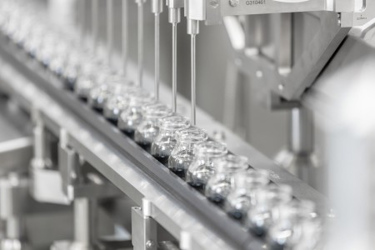
Pharmaceutical manufacturing is being reshaped by a convergence of forces that are redefining how drug developers think about risk, capacity, and partnership. As global uncertainty increases, companies are reassessing where and how their products are made, placing greater emphasis on resilience, speed, and transparency across the supply chain. This shift is driving renewed investment in U.S.-based manufacturing models designed to reduce dependency on complex global networks while improving oversight and operational control.
At the same time, unprecedented demand for GLP-1 therapies is placing intense pressure on sterile fill-finish capacity, particularly for prefilled syringes. These products require specialized infrastructure, advanced aseptic processing, and long-term capital commitments — factors that are influencing how capacity is planned and secured well in advance. CDMOs with flexible, high-throughput systems and proven regulatory rigor are becoming central to meeting this sustained demand.
Overlaying these dynamics is a volatile economic environment marked by rising tariffs and geopolitical disruption. In response, integrated, end-to-end domestic manufacturing models are gaining traction for their ability to streamline operations, strengthen quality oversight, and minimize handoffs across vendors and borders.
Together, these trends illustrate an industry recalibrating around agility, security, and long-term strategic alignment in an increasingly complex manufacturing landscape.
Get unlimited access to:




Enter your credentials below to log in. Not yet a member of Bioprocess Online? Subscribe today.