
From Syringes To Wearables: Formulation's Impact
Andreas Stelzl, Ph.D., Client Project Manager, and Eva Keilhauer, Ph.D., Business Development Manager
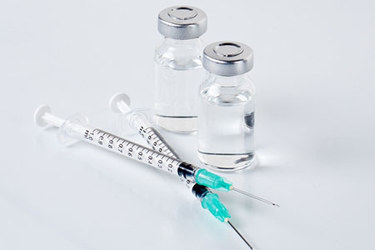
Biologic therapies are increasingly moving toward self‑administration as patients and healthcare systems look for greater convenience and reduced treatment burden. Traditional IV dosing requires regular clinic visits, which can be disruptive, time‑consuming, and difficult to maintain—leading some patients to stop treatment. Subcutaneous options such as prefilled syringes, autoinjectors, and on‑body wearable devices offer a more flexible alternative, allowing patients to administer their medication at home. These formats also improve comfort and reduce anxiety, especially when needle‑hiding designs help build confidence in self‑injection.
To make self‑administration possible, biologics often need to be formulated at high concentrations so that effective doses can be delivered in small volumes. This creates technical challenges, including maintaining stability, preventing aggregation, ensuring compatibility with delivery systems, and supporting reliable manufacturing at scale. Teams must manage drug–container interactions, device performance, and coordination across formulation, packaging, and engineering.
On‑body devices expand these options further by enabling slow‑release, larger‑volume dosing with minimal effort—an advantage for chronic therapies requiring long‑term use. Together, advances in formulation and delivery technologies help reduce treatment burden and support better adherence, ultimately improving patient outcomes.
Get unlimited access to:




Enter your credentials below to log in. Not yet a member of Bioprocess Online? Subscribe today.