
FDA Approves First Gene-Based Test For Blood Type In Transfusion
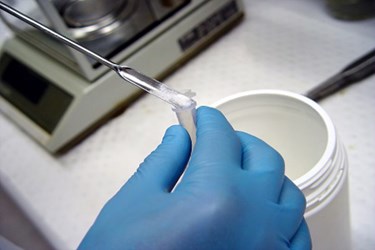
The U.S. Food and Drug Administration (FDA) announced its approval of the first molecular test to determine red blood cell type in transfusion medicine.
BioArray Solutions’ Immucor PreciseType Human Erythrocyte Antigen (HEA) Molecular BeadChip Test is the first FDA-approved molecular assay utilized in transfusion medicine to help determine blood compatibility. The test can be used to identify donor and patient non-ABO/non-RhD (non-ABO) red blood cell types in the U.S.
Karen Midthun, director of the FDA‘s Center for Biologics Evaluation and Research, said, “The approval of the Immucor PreciseType HEA Molecular BeadChip Test provides an alternative to serological typing and may enhance patient care in certain situations.”
Both minor and major blood group antigens are displayed on the surface of red blood cells. Some patients tend to develop antibodies to non-ABO antigens after repeated blood transfusion or pregnancy. Development of these antibodies can result in red blood cell destruction if a transfusion is made with the corresponding antigens. This can be prevented by choosing blood that is better matched to the transfusion recipient’s non-ABO antigens.
Identification of red blood cell antigens has been performed in the past through serological typing, which involves testing the blood with reagents that are specific to the antigens in the tested blood. The new assay provides a new way to determine non-ABO antigens on red blood cells, especially when reagents for testing are scarce or unavailable.
The Immucor PreciseType HEA Molecular BeadChip Test detects genes that regulate the expression of 36 antigens that can be displayed on the surface of red blood cells. A signal lights up for every specific gene captured, which computer software decodes. Using this information, predictions are made regarding which antigens are likely to be present on the red blood cells.
The approval was based on a study comparing typing results of the PreciseType HEA Molecular BeadChip Test with licensed serological reagents and DNA sequencing, which showed comparable performance between the two methods.