
Ensuring Weld Integrity And Process Compatibility: SaniSure's® CellGyn® Tubing For Aseptic Biopharma Applications
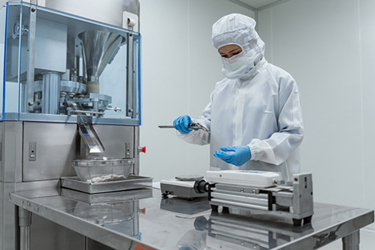
As biopharmaceutical manufacturers continue to expand the use of single-use technologies, maintaining reliable aseptic connections has become increasingly important. Tubing assemblies must not only support sterility and process efficiency, but also withstand demanding operating conditions without compromising integrity. Weld strength, pressure resistance, material durability, and compatibility across different process platforms all play a critical role in ensuring uninterrupted production.
Recent performance evaluations highlight the importance of selecting tubing materials capable of handling high-pressure fluid transfer while maintaining consistent weld integrity. Robust hydraulic performance can help minimize contamination risks, reduce unplanned downtime, and support process stability across upstream and downstream operations. Equally important is the ability to integrate seamlessly with mixed-vendor systems and accommodate common sterilization methods, providing manufacturers with greater flexibility in facility design and operation.
Learn how advances in tubing material science and weld compatibility are helping bioprocessing teams improve reliability, simplify operations, and maintain product quality in increasingly complex aseptic manufacturing environments.
Get unlimited access to:




Enter your credentials below to log in. Not yet a member of Bioprocess Online? Subscribe today.