
Ensuring Nuclease-Free Process Consumables For Biopharma Applications
By Richard Fry, SaniSure
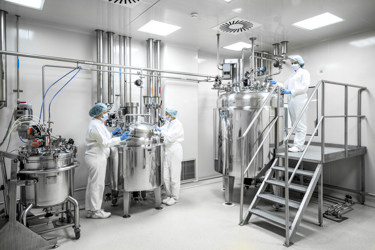
As advanced biologics such as cell and gene therapies and mRNA-based treatments move from development to commercial production, contamination control has become increasingly important. Even small amounts of DNase or RNase can compromise sensitive genetic materials, affecting product quality, manufacturing efficiency, and therapeutic performance.
Maintaining nuclease-free conditions requires a combination of carefully controlled manufacturing environments, quality-by-design principles, automated production processes, and robust testing programs. Effective validation and contamination control strategies help support GMP compliance while reducing risk throughout the production lifecycle. Manufacturers must also address the added complexity of scaling these controls from research settings to commercial operations without sacrificing consistency or product integrity.
Learn how nuclease-free consumables, verification methodologies, and manufacturing best practices can help support reliable production of plasmid DNA, mRNA, and other advanced therapeutic products.
Get unlimited access to:




Enter your credentials below to log in. Not yet a member of Bioprocess Online? Subscribe today.