
Engineering Better ADCs, Part 1: MoA, Conjugation Chemistry, And More
By Robert Dream
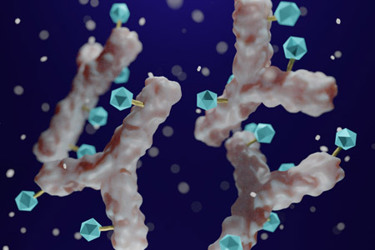
The field has evolved considerably since the earliest antibody–drug conjugate (ADC) concepts. Early conjugates were frequently heterogeneous because chemical modification occurred at multiple amino acid residues. Differences in the number and location of attached drug molecules could influence aggregation, stability, pharmacokinetics, antigen binding, and toxicity. Modern ADC technology consequently emphasizes control over where the payload is attached and how many payload molecules are associated with each antibody.
In this two-part article series, I’ll do a deep dive into engineering better ADCs. In this first article, I’ll cover MoA, conjugation chemistry and site-specific conjugation, the drug-to-antibody ratio (DAR), linker technology, and payload technology.
Mechanism Of Action Of ADCs
The canonical mechanism of ADC activity can be described as a multistep process:
Circulation → Target recognition → Binding → Internalization → Intracellular trafficking → Payload release → Cytotoxic action
- Circulation: After administration, commonly by intravenous infusion, the ADC enters systemic circulation. Its pharmacokinetic behavior is influenced by the antibody scaffold, target-mediated clearance, DAR, linker stability, aggregation, and other molecular properties.
The FDA's current clinical pharmacology guidance specifically emphasizes the importance of evaluating ADC bioanalytical measurements, dosing, exposure–response relationships, intrinsic factors, immunogenicity, and drug–drug interactions.
- Target recognition: The antibody recognizes a specific antigen on the surface of the tumor cell. Binding depends on antibody affinity, antigen density, accessibility, and the biological environment surrounding the tumor.
- Internalization: For many ADCs, antibody–antigen complexes undergo receptor-mediated endocytosis. The ADC then enters endosomal and lysosomal compartments.
Internalization is highly relevant to ADC design, but it is not an absolute requirement for every ADC mechanism. Some ADCs can produce extracellular release and bystander activity, depending on the chemistry of their linker and payload.
- Intracellular processing: Within the cell, ADC processing may involve:
- proteolytic cleavage of peptide linkers
- reduction of disulfide bonds
- acid-mediated linker cleavage
- antibody degradation
- release of an active payload-containing metabolite.
The precise pathway depends on the molecular architecture.
- Payload-mediated cytotoxicity: Once released, the payload interacts with its intracellular target. For example, microtubule inhibitors disrupt mitotic processes, whereas DNA-damaging payloads interfere with DNA integrity and replication.
- Bystander effect: One important feature of some ADCs is bystander killing, whereby the released payload diffuses from the target cell into neighboring cells. This can be advantageous in tumors with heterogeneous antigen expression because cells with relatively low or absent antigen expression may still be affected.1
However, bystander activity can also increase toxicity if active payload reaches antigen-negative normal cells. The extent of this phenomenon depends strongly on payload membrane permeability, linker chemistry, intracellular processing, and the properties of the released species.
Conjugation Chemistry
Conjugation technology is central to ADC science because the attachment chemistry determines the number and distribution of payload molecules on the antibody.2
Traditional conjugation approaches generally modify naturally occurring amino acids, particularly lysine or cysteine. These approaches are comparatively accessible but can produce heterogeneous products. More advanced technologies seek to control both conjugation position and stoichiometry.
Lysine conjugation
Lysine residues contain accessible primary amino groups that can be modified using activated esters such as N-hydroxysuccinimide (NHS) derivatives. The general concept is:
Antibody–NH₂ + activated linker → Antibody–NH–linker–payload
Because antibodies contain numerous lysine residues with different surface accessibility and microenvironments, conventional lysine conjugation can produce a distribution of conjugation sites and DAR values.
Advantages:
- Relatively simple chemistry
- Established manufacturing experience
- Broad compatibility with antibodies
Limitations:
- Product heterogeneity
- Variable DAR
- Multiple conjugation sites
- Potential effects on antigen binding or other antibody properties
Cysteine conjugation
Cysteine residues provide another major conjugation strategy because their thiol groups are highly useful for selective chemical modification. Native antibody disulfide bonds can be partially reduced to generate reactive thiols, which can subsequently react with thiol-reactive linkers.
Maleimide chemistry has historically been widely used for this purpose. However, some maleimide–thiol conjugates can undergo exchange reactions with biological thiols, including albumin, which has stimulated the development of more stable cysteine-linker chemistries.
Cysteine conjugation can provide a more controlled product than lysine conjugation, although reduction of native disulfides can itself generate mixtures of conjugation states.
Site-Specific Conjugation
One of the most important technological advances in ADC development is site-specific conjugation.3,4,5 Rather than attaching the payload randomly to many naturally occurring residues, site-specific technologies place the payload at predetermined locations.
The major approaches include the following.
Engineered cysteine conjugation
Specific cysteine residues are genetically introduced into the antibody at selected positions. These engineered residues can subsequently serve as defined conjugation sites.
This strategy can provide:
- defined conjugation sites
- more uniform DAR
- improved product characterization
- potentially improved stability and pharmacokinetics.
Studies have demonstrated the feasibility of engineered cysteine-based ADCs, although the local environment surrounding the engineered cysteine can strongly influence conjugation efficiency and stability.

Non-canonical amino acids
Another highly controlled strategy incorporates genetically encoded non-canonical amino acids into specific positions of the antibody. For example, unnatural amino acids containing chemically orthogonal functional groups can be incorporated into antibodies and subsequently reacted with appropriately functionalized payload-linker molecules. Such methods have produced ADCs with controlled conjugation site and stoichiometry.
Glycan-directed conjugation
Antibody Fc regions contain conserved N-linked glycans. These carbohydrate structures can be enzymatically modified and subsequently used as handles for site-selective conjugation. Glycan engineering can therefore provide conjugation without directly modifying amino acid side chains near the antigen-binding region. Studies have demonstrated glycan-directed ADC formation using enzymatic remodeling followed by chemical ligation.
Enzyme-mediated conjugation
Enzymes can recognize specific peptide or protein sequences and catalyze the attachment of linker–payload molecules at defined locations. Examples include approaches based on:
- transglutaminase
- sortase
- microbial transglutaminase-related strategies
- other ligase-mediated reactions.
These technologies can provide excellent positional control but must be evaluated for reaction efficiency, scalability, process complexity, and residual enzyme or auxiliary reagents.
Disulfide rebridging
Disulfide rebridging approaches attempt to preserve the structural integrity of antibody disulfide regions while introducing a linker at a defined location. Rather than simply reducing a disulfide and modifying the resulting cysteines, a bifunctional reagent can reconnect the two cysteine residues while incorporating the linker–payload. This approach can reduce the structural disruption associated with conventional disulfide reduction.
Drug-To-Antibody Ratio
The drug-to-antibody ratio (DAR) describes the average number of payload molecules attached to each antibody molecule. DAR is a critical quality attribute because it affects:
- potency
- pharmacokinetics
- clearance
- aggregation
- solubility
- stability
- toxicity
- manufacturing consistency.
Increasing DAR does not necessarily produce a better ADC. Although higher DAR can increase the amount of payload delivered per antibody, excessive loading may increase hydrophobicity, aggregation, nonspecific uptake, and clearance. Consequently, ADC development involves optimization rather than maximization of DAR. Site-specific conjugation provides an important advantage because it can produce a narrower DAR distribution and better-defined molecular species than conventional random conjugation.
Linker Technology
Linker design must balance two apparently opposing requirements: high stability in blood and efficient payload liberation at the desired site of action. Poor stability can cause premature payload release and systemic toxicity, whereas excessive stability can reduce the amount of pharmacologically active drug available inside the target cell.2,6,7
Cleavable linkers
Cleavable linkers are designed to release the payload in response to a specific biological or chemical trigger.
- Protease-cleavable linkers: Peptide sequences can be designed to undergo cleavage by proteases enriched in intracellular compartments such as lysosomes.
- Acid-sensitive linkers: Some chemical bonds are designed to be relatively stable at physiological pH but susceptible to cleavage under acidic conditions.
- Disulfide linkers: Disulfide bonds can respond to differences in the reducing environment between extracellular circulation and intracellular compartments. The primary goal is to minimize premature release while enabling efficient intracellular liberation.
Non-cleavable linkers
Non-cleavable linkers do not rely on direct chemical cleavage of the linker. Instead, the ADC is internalized and degraded intracellularly, generating a pharmacologically active catabolite.
The choice between cleavable and non-cleavable linkers can influence:
- payload release
- bystander activity
- pharmacokinetics
- toxicity
- intracellular activity.
Linker chemistry is therefore not simply a structural component but an active determinant of ADC pharmacology.
Payload Technology
The development of increasingly potent payloads has been a major driver of ADC technology.2
- Microtubule inhibitors: Payloads targeting microtubules interfere with mitotic progression and can lead to cell-cycle arrest and apoptosis. Representative payload families include:
- auristatins
- maytansinoids.
- DNA-damaging payloads: DNA-damaging agents can produce:
- DNA strand breaks
- DNA cross-links
- replication stress
- cell-cycle arrest
- apoptotic cell death.
Highly potent DNA-damaging payloads are particularly attractive for ADC applications because only a small quantity of payload may be delivered to each cell.
- Topoisomerase inhibitors: Topoisomerase I inhibitors have become an important payload class in contemporary ADC development. These compounds interfere with DNA topological processes and can generate cytotoxic DNA lesions. The expansion of payload classes has allowed ADC developers to explore mechanisms beyond the traditional microtubule inhibitors.
In part two of this series, I will cover antigen selection and tumor biology, pharmacokinetics and pharmacodynamics, analytical characterization, manufacturing and CMC, toxicity and safety, resistance, limitations to tackle, and next-generation ADC technology.
References:
- Antibody drug conjugates and bystander killing: is antigen-dependent internalisation required? Review of intracellular and extracellular mechanisms underlying ADC-mediated bystander activity.
- McCombs JR, Owen SC. Antibody Drug Conjugates: Design and Selection of Linker, Payload and Conjugation Chemistry. AAPS Journal. 2015;17:339–351.
- Lyon RP, et al. Site-specific conjugation of antibodies through engineered cysteine residues. The engineered-cysteine approach provides a strategy for controlled ADC construction.
- Axup JY, et al. Synthesis of site-specific antibody-drug conjugates using unnatural amino acids. Proceedings of the National Academy of Sciences. 2012.
- Zhu Z, et al. Site-specific antibody-drug conjugation through glycoengineering. Study demonstrating glycan-directed conjugation using antibody glycans as defined conjugation handles.
- Tsuchikama K, An Z. Antibody-drug conjugates: recent advances in conjugation and linker chemistries. Protein & Cell. 2018;9:33–46.
- Fu Z, et al. Antibody–drug conjugates: Recent advances in linker chemistry. Acta Pharmaceutica Sinica B. 2022.
About The Author:
 Robert Dream is a recognized industry leader with over 35 years of experience in the life sciences sector, including executive leadership roles. He has successfully led projects, optimized processes, and scaled products by leveraging operational excellence and deep technological expertise. Business-minded and strategically focused, Dream brings functional knowledge across manufacturing, supply chain, and regulatory domains. His background includes extensive hands-on and senior executive experience in therapeutic biotechnology and biological product manufacturing at world-leading organizations. A prolific contributor to the industry, Dream has authored numerous articles, industry guidances, and delivered many presentations.