
Developing A Method To Assess Product And Personnel Safety In vH2O2 Decontamination Cycles
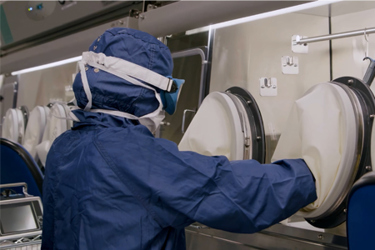
Achieving both absolute sterility assurance and optimal operational efficiency within pharmacy aseptic production units remains a persistent hurdle for life science facilities. Traditional testing methods frequently fail to catch subtle environmental variables, forcing operations to accept prolonged equipment downtime and potential material risks to avoid safety compromises.
This case study presents a compelling look at how implementing ultra-sensitive spectroscopy can completely transform how your team maps and evaluates gas concentrations during validation cycles. By shifting away from qualitative assumptions and embracing highly precise, real-time analytics, facilities can safely unlock hidden efficiencies, shorten cycle turnarounds, and better protect both products and staff. Discover how these sophisticated measurement techniques can reshape your facility's operational throughput and elevate your compliance standards.
Download the full case study to explore the underlying methodologies and discover how to optimize your own aseptic workflows.
Get unlimited access to:




Enter your credentials below to log in. Not yet a member of Bioprocess Online? Subscribe today.