
Can Targeted LNP Delivery Take In-Vivo CAR-T Therapy Beyond The Liver?
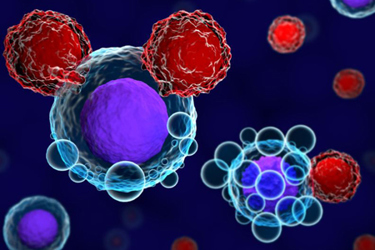
The promise of in vivo CAR-T therapy is compelling: engineer a patient’s own T cells inside their body and potentially sidestep some of the cost, complexity, and manufacturing time associated with ex vivo approaches. But one major delivery challenge stands between that vision and broader application. Today’s lipid nanoparticles (LNPs) naturally favor the liver — a useful characteristic for some therapeutic applications, but a significant obstacle when the target requires extrahepatic delivery.
If LNPs could reliably deliver genetic payloads to T cells in lymphoid organs, extrahepatic tissues, or even solid tumors, the in vivo approach could open new possibilities across oncology and autoimmune disease. Yet simply redirecting an LNP is far from straightforward. Tissue barriers, protein corona formation, T-cell biology, off-target uptake, and endosomal escape all influence whether a targeted particle reaches the right cell and delivers its payload effectively.
So, what will it take to move in vivo CAR-T beyond the liver and make extrahepatic targeting a scalable therapeutic reality? Download the full article to learn more.
Get unlimited access to:




Enter your credentials below to log in. Not yet a member of Bioprocess Online? Subscribe today.