
Best Practices For Protein Analysis With The Agilent ProteoAnalyzer System
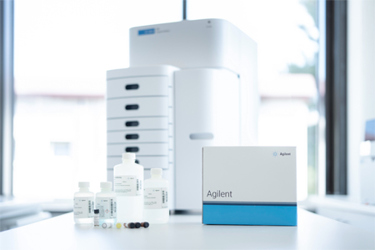
Achieving consistent, high-confidence protein characterization depends on more than instrumentation; it requires careful control of sample preparation, buffer selection, and method parameters. Automated CE-SDS workflows streamline traditionally labor-intensive SDS-PAGE analysis, enabling parallel processing, faster turnaround, and improved reproducibility across diverse protein types. Key considerations such as buffer compatibility, alignment of sample and ladder conditions, and optimized injection settings play a critical role in minimizing sizing variability and preserving data accuracy. Subtle factors—including incubation temperature and sample storage—can significantly influence purity assessments and impurity detection, particularly for sensitive biologics like monoclonal antibodies. With integrated data analysis and digital visualization tools, users can rapidly interpret results and identify low-level changes with greater precision.
Explore how these best practices translate into more reliable protein QC and efficient workflows.
Get unlimited access to:




Enter your credentials below to log in. Not yet a member of Bioprocess Online? Subscribe today.