
Antibody Drug Conjugates Re-Emergence Of An Old Modality
By Jayashree Aiyar, Ph.D., VP and Head, Discovery Biology
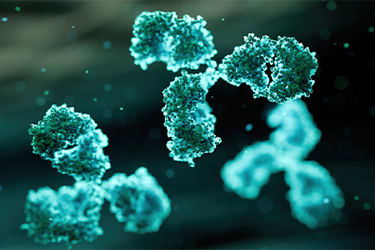
Antibody-drug conjugates (ADCs) have re-emerged as a powerful therapeutic modality, offering a targeted approach to treating complex diseases such as cancer. By combining the specificity of antibodies with the potency of cytotoxic agents, these constructs enable selective delivery of treatment directly to diseased cells, improving efficacy while minimizing systemic toxicity.
The growing interest in ADCs is reflected in their expanding clinical and commercial presence, with numerous approved therapies and hundreds more in development. However, their design and production involve intricate challenges, including optimizing payload selection, ensuring linker stability, and achieving precise conjugation without compromising biological function.
Advances in engineering, chemistry, and process development are addressing these challenges, enabling more stable, effective, and scalable ADCs. As innovation continues, ADCs are poised to play a critical role in next-generation targeted therapies across a range of diseases.
Get unlimited access to:




Enter your credentials below to log in. Not yet a member of Bioprocess Online? Subscribe today.