
ADCs As Biological Missiles For Targeted Therapies
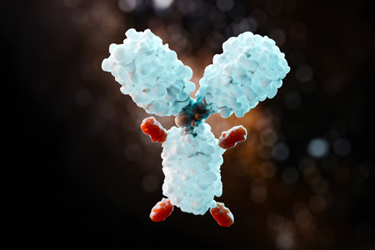
Antibody-drug conjugates (ADCs) have moved from Paul Ehrlich's 1913 hypothesis to a 12-approved, 170-plus-in-development clinical reality, and the trajectory is still climbing. If you work in oncology drug development, the scale of that shift probably hasn't fully landed yet.
The core mechanic is worth understanding precisely. ADCs use monoclonal antibodies (mAbs) as guided delivery vehicles, binding to tumor-specific surface proteins and releasing a cytotoxic payload directly into the cancer cell. That's meaningfully different from conventional chemotherapy, which hits healthy tissue indiscriminately.
The commercial numbers reflect that clinical promise. Licensing deal value grew 400% between 2017 and 2022, according to GlobalData. Daiichi Sankyo's three lead assets, including Enhertu (trastuzumab deruxtecan), are projected to generate $13 billion in combined global sales by 2029. Meanwhile, emerging ADC candidates like NJH395 and BDC-1001 are showing low toxicity with meaningful activity in HER2-positive tumors.
The next frontier goes beyond cytotoxic payloads entirely. Researchers are now exploring PROTAC degraders, STING agonists, oligonucleotides, and bispecific antibody formats, all of which could expand ADC utility well beyond oncology into autoimmune and infectious disease.
Download now to understand how ADC design decisions made today will shape your development strategy for the next decade.
Get unlimited access to:




Enter your credentials below to log in. Not yet a member of Bioprocess Online? Subscribe today.