
Achieving 3-4-Fold Higher Titers Of Monoclonal Antibodies
By Leelaram Santharam, Research Investigator, Upstream Process Development
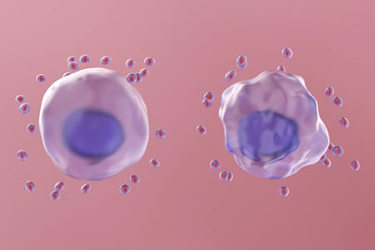
Biomanufacturing of therapeutic proteins, particularly monoclonal antibodies (mAbs), is rapidly expanding as demand for biologics continues to rise. Traditional fed-batch processes, while widely used, typically yield modest titers and require larger infrastructure to scale production. To address these limitations, intensified biomanufacturing approaches are being developed to improve productivity without increasing facility size.
One such approach is the intensified fed-batch process, which leverages high seeding density (HSD) and upstream optimization strategies to significantly increase protein yields. By using perfusion at earlier stages to increase cell density, this method enhances productivity to 7–12 g/L—representing a 3–4 fold improvement over conventional processes.
In addition to boosting output, this approach improves bioreactor efficiency, shortens production timelines, and reduces cost of goods. Importantly, it maintains consistent product quality, making it a scalable and efficient solution for modern biologics manufacturing.
Get unlimited access to:




Enter your credentials below to log in. Not yet a member of Bioprocess Online? Subscribe today.