
The Rise Of ADCs In Oncology: How Antibody Drug Conjugate Therapies Deliver Precision
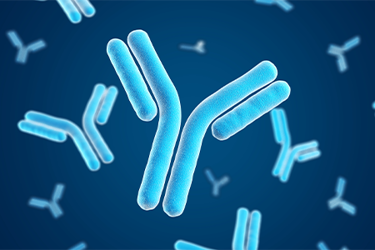
Antibody-drug conjugates (ADCs) are transforming cancer treatment by merging the precision of targeted therapies with the potency of cytotoxic drugs. These complex molecules use a monoclonal antibody to selectively bind tumor-specific antigens, delivering a powerful payload directly into cancer cells while minimizing damage to healthy tissue.
The effectiveness of ADCs depends on the careful integration of multiple elements, including target selection, linker stability, and payload potency. Once bound to a cancer cell, the ADC is internalized and releases its cytotoxic agent, driving tumor cell death in a controlled and targeted manner.
Recent advances in bioconjugation and linker technologies are improving consistency, safety, and therapeutic outcomes, while also addressing challenges such as resistance and tumor heterogeneity. As innovation accelerates, ADCs are emerging as a critical modality in precision oncology, offering new hope for more effective and personalized cancer therapies.
Get unlimited access to:




Enter your credentials below to log in. Not yet a member of Bioprocess Online? Subscribe today.